How an electric bill is made up
Most household electricity bills have two parts. The energy charge is the kWh you used multiplied by the unit rate. The fixed charge is a daily or monthly amount for being connected, called a customer charge in the US, a standing charge in the UK and a supply charge in Australia. Taxes, fees and credits may be added on top. This calculator adds up the kWh of each appliance over the billing period, applies your rate, and adds the fixed charge.
kWh per appliance = watts × quantity × hours per day × days ÷ 1,000
Bill = total kWh × price per kWh + fixed charge per day × days
Worked example
A home over 30 days at $0.17 per kWh runs a refrigerator (150 W average, 24 h), ten 10 W LED bulbs for 5 hours, a 900 W window air conditioner for 8 hours, a 100 W TV for 4 hours and a 3,000 W clothes dryer for half an hour a day.
- Air conditioner: 0.9 kW × 8 h × 30 = 216 kWh, $36.72, more than half the total.
- Refrigerator: 0.15 × 24 × 30 = 108 kWh, $18.36.
- Dryer 45 kWh ($7.65), lighting 15 kWh ($2.55), TV 12 kWh ($2.04).
- Total 396 kWh and an energy bill of $67.32.
The same household on a UK tariff of £0.25 per kWh with a £0.50 daily standing charge would pay £99.00 for energy plus £15.00 standing charge: £114.00.
Why your real bill may differ
- Appliances you did not list. Water heating, cooking, washing machines, chargers, routers and standby loads all add up. Compare your estimate with the kWh on your bill to see how much is unaccounted for.
- Seasonal use. Heating and air conditioning change month to month. Run the calculator for a summer and a winter month.
- Tiered or time-of-use rates. Some utilities charge more per kWh above a monthly threshold or at peak times. Use an average rate from a recent bill: total energy charges ÷ kWh.
- Cycling appliances. Fridges, freezers and thermostatic heaters do not run at full power continuously. Use average watts, or yearly kWh from the energy label ÷ 8,760 hours.
Using the breakdown to save money
The table sorts appliances from most to least energy, with each one's share of the bill. In most homes, heating, cooling, water heating and drying clothes dominate. Reducing hours on the top two lines usually saves more than every small device combined. Try changing the hours in the calculator to see the effect before you change your habits.
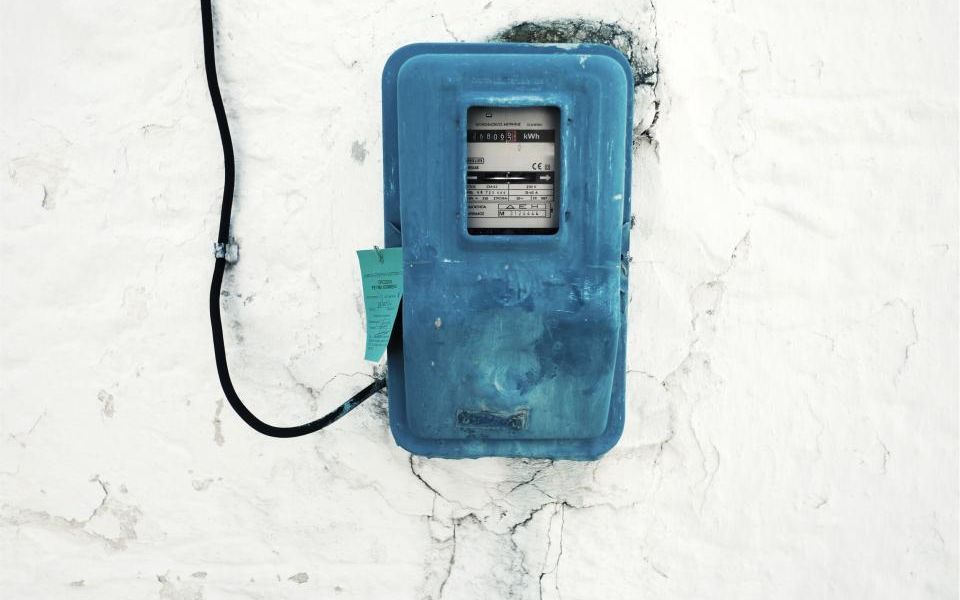
Reading your meter
To check your estimate, read your meter at the same time on two days a week apart. The difference is your weekly kWh; multiply by 30.4 ÷ 7 for a monthly figure. Many smart meters and utility apps show daily or even hourly use, which makes it easy to spot which hours drive your bill.
Comparing tariffs and plans
If you can choose between electricity plans, run the same appliance list with each plan's unit rate and fixed charge. A plan with a lower unit rate but a higher daily charge suits homes that use a lot of electricity, while a low fixed charge suits small flats and light users. For time-of-use plans, estimate how much of your use falls into each period, work out a weighted average rate, and enter that. The breakdown shows which appliances you could shift to cheaper hours, such as dishwashers, laundry and EV charging.
Common mistakes
- Entering the dryer or oven at full power for many hours. These high-power appliances usually run less than an hour a day on average.
- Leaving out the fixed charge. It can be a noticeable part of a small bill.
- Using a rate that includes the fixed charge. Use the unit rate for energy only.
Estimates only. Your utility bill is the official record of your usage and charges.
Frequently asked questions
How do I estimate my electric bill?
Add up each appliance's watts × hours per day × days ÷ 1,000 to get kWh, multiply by your price per kWh, and add the fixed charge.
Which appliances use the most electricity?
Usually heating, air conditioning, water heating and clothes dryers. In the example, a 900 W air conditioner was 54.5% of the bill.
What is a standing charge?
A fixed daily charge for being connected to the grid, paid whatever you use. A £0.50 daily charge adds £15 to a 30-day bill.
Why is my bill higher than my estimate?
Appliances not listed, standby loads, seasonal heating or cooling, and tiered or peak rates.
Sources
- US Energy Information Administration (eia.gov). Electricity explained: factors affecting electricity prices.
- Ofgem (UK). Understand your energy bill: unit rates and standing charges.
- Australian Energy Regulator (aer.gov.au). Understanding your energy bill.
Last reviewed 27 October 2026. Results are estimates; see our disclaimer.